
Practical Capex guide
Maximising cash flowfrom capital.
Capital-intensive companies can improve cash flow by making stronger choices before projects begin, then keeping strategy, budgets and execution connected. This guide explains the practical links across that process.
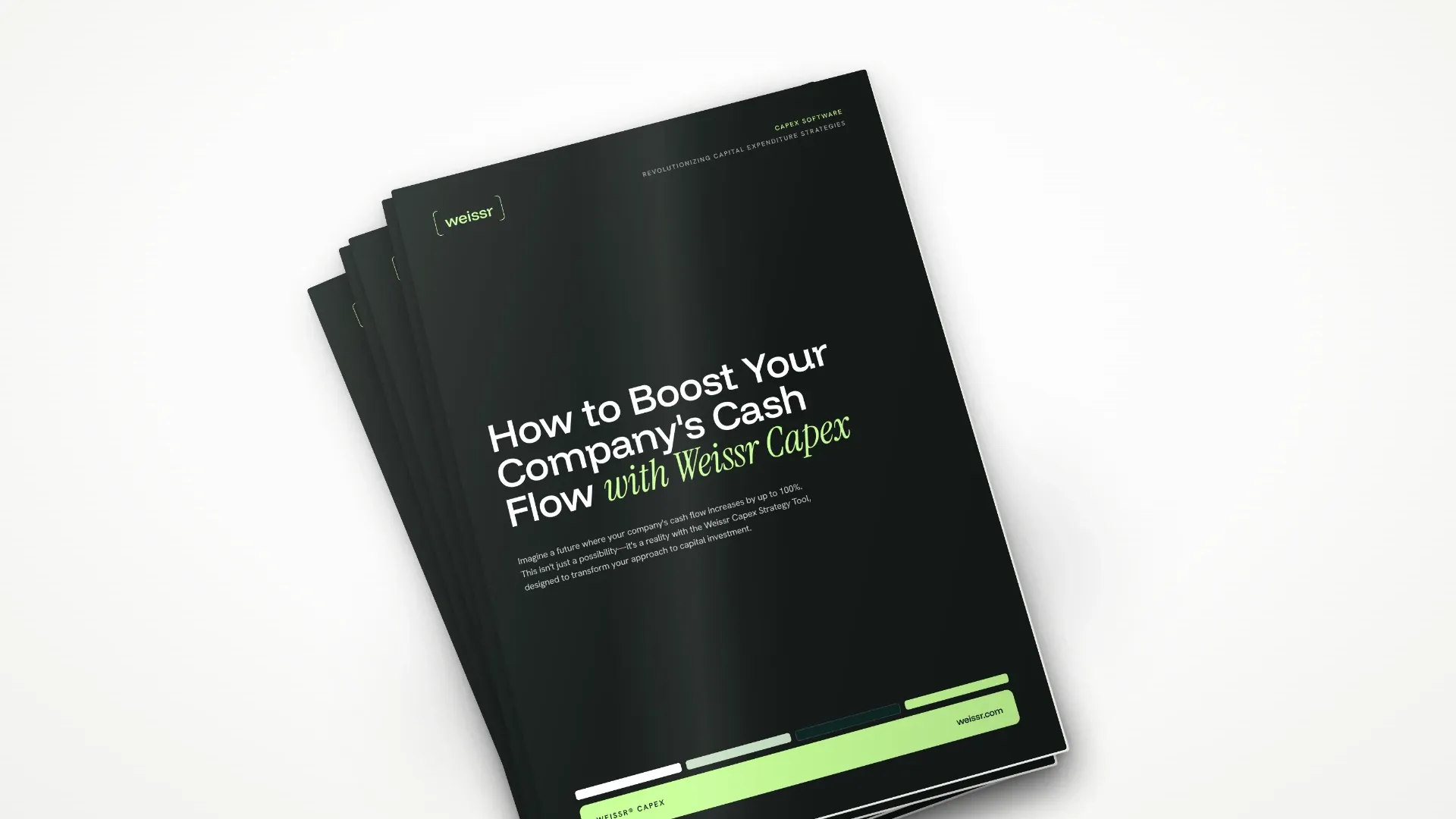
Inside the guide
A clearer view of where cash flow is won or lost.
The guide looks beyond individual project returns. It shows how the quality of portfolio choices, budget allocation and project control shapes cash flow across the company.
- Why isolated project decisions can weaken company-wide cash flow
- How to connect long-term Capex strategy with annual capital budgets
- Where portfolio comparisons improve investment prioritisation
- How stronger execution control protects the value behind approved decisions
The method
Six phases to a whole-business Capex strategy model.
The guide walks through a complete worked example, from the base alternative to the approved current strategy. The full descriptions, rules and calculations are in the report.
- 01Creating the base alternative
- 02Cash flow for the base alternative
- 03Create strategic building blocks (SBBs)
- 04Combining building blocks into strategic alternatives
- 05Sensitivity analysis and limitations
- 06Execution and governance
From the guide
"The whole company, not the individual project, is the unit of analysis."
Traditional capital budgeting chases projects that can lower the company's cash flow even when assumptions hold. The guide shows how a systems-thinking approach, with strategic building blocks combined into competing alternatives, can boost long-term cash flow by 20 to 100 percent.
Continue exploring
Connect the guide to your Capex process.
See how Weissr connects strategic capital choices, annual budgeting and execution in one governed decision process.