
From Excel to a shared investment plan
Rottneros works with a rolling five-year strategic plan, presented to the board each year. Investment needs are gathered from the business throughout the year. Projects are discussed and prioritised, and the investments selected to proceed ultimately go to the board for a decision.
Previously, much of this planning was handled in Excel and various other tools. Since the beginning of 2026, Rottneros has started bringing investment planning and its Capex process together in Weissr.
“We have essentially worked in the same way, but we have not had this tool. We have used Excel lists, and it has become a little difficult to keep track of everything.”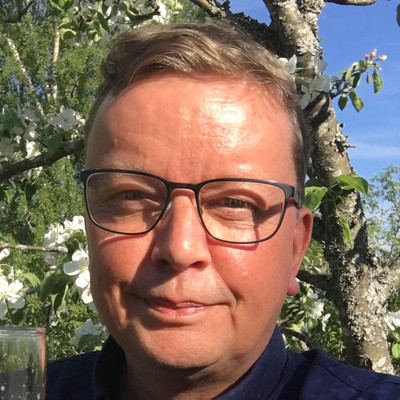
Per-Arne Nilsson
Head of projects, Rottneros
Weissr gives Rottneros a shared environment for its investment plan, with a better overview of both current needs and those further ahead.
“I think we have a better structure now. It is easier to keep things organised. We can see the plan ahead and manage it better to keep track of all our investments.”Per-Arne Nilsson
Head of projects, Rottneros
Many investment needs call for clear priorities
Rottneros has a long list of potential investment projects. The challenge is deciding which to prioritise. This has become particularly important during a prolonged downturn in the forest industry, when the focus has largely been on the investments most important to the business.
“It is important for us to choose the right investments for the future.”Per-Arne Nilsson
Head of projects, Rottneros
Risk assessments are central to this work. Investment needs are collected from the mills and discussed with maintenance and production engineers, among others, before the projects are entered into Weissr for further assessment and prioritisation.
Priorities also need to change. New needs can arise quickly in an industrial business, moving one project ahead of another.
“A project can be a top priority one month, but then something else happens the next month and we have to reassess it. It is an ongoing process.”Per-Arne Nilsson
Head of projects, Rottneros
Keeping projects and risk assessments together gives Rottneros a better basis for adjusting its priorities.
Better prepared for future investments
Although investment activity is currently lower, the needs have not disappeared. Rottneros already has a plan and a long list of future projects. Working on them more systematically now leaves the organisation better prepared when more investments become relevant.
“We have a much better foundation than in previous years. The projects are more thoroughly developed and more detailed, and everyone has access to that information.”Per-Arne Nilsson
Head of projects, Rottneros
This makes it easier to build a shared view of what lies ahead and which projects should take priority.
Greater transparency across the group
Another important change is that more people can work from the same information. Rather than keeping the investment plan in separate Excel files, it is held together and accessible to the business, the project organisation, management and the board.
Per-Arne describes the change primarily as better order and greater openness.
“Above all, we have brought order and transparency across the whole group. Even the board can go in and view the upcoming investment plan.”Per-Arne Nilsson
Head of projects, Rottneros
This creates a clearer shared basis for decisions and better visibility of the projects under consideration and how they are prioritised.
A way of working that continues to develop
Rottneros is still early in its journey with Weissr and does not yet want to put an exact figure on time savings. Per-Arne already sees improvements in filtering investments ahead of the budget and handling risk assessments.
“We have been able to handle risk assessments in a completely different way than before. We have probably saved quite a lot of time there, but we are not quite there yet.”Per-Arne Nilsson
Head of projects, Rottneros
Today, Rottneros primarily uses Weissr for Capex Management, focusing on investment planning, risk assessment, prioritisation and a shared overview of projects.
The next step is to keep developing this shared way of working and build a stronger basis for future investment decisions, with greater clarity, a better overview and better conditions for choosing the right investments.